
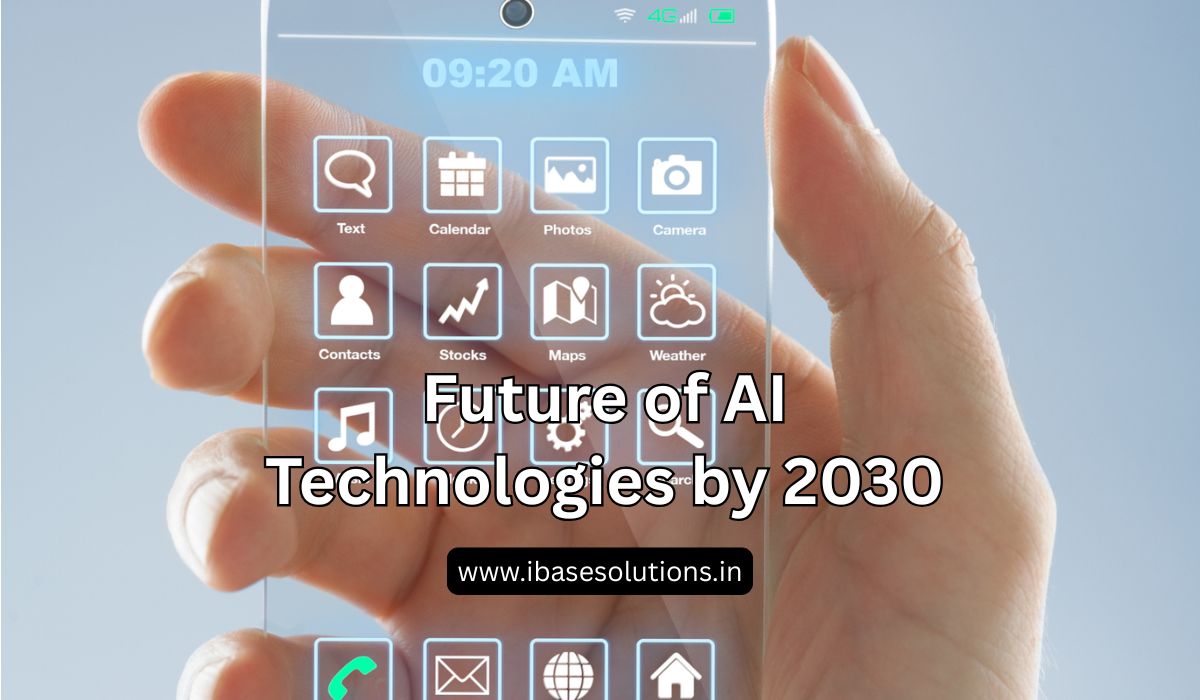
The mobile app ecosystem will undergo a complete transformation by 2030, driven by advancements in AI, connectivity, immersive experiences, and new hardware innovations. Apps will become smarter, more integrated, and more responsive to real-world contexts.
1. AI-Native Mobile Experiences
Mobile apps will rely on on-device AI for personalization, prediction, automation, and faster performance without cloud dependency. Apps will act more like intelligent assistants than traditional software.
2. Augmented & Mixed Reality Integration
With lightweight AR glasses and powerful smartphones, apps in 2030 will support holographic overlays, 3D product visualization, virtual try-ons, and interactive learning experiences.
3. 6G-Powered Real-Time Applications
The rollout of 6G technology will enable ultra-low latency applications such as holographic calls, real-time language translation, remote surgeries, and high-precision industrial automation.
4. Super Apps & Mini-App Ecosystems
Countries across the world will adopt super-app ecosystems combining payments, shopping, travel, messaging, healthcare, and entertainment into a single platform.
5. Seamless Multi-Device Experiences
Apps will move across devices automatically—including laptops, wearables, AR glasses, cars, and smart home devices—offering a true connected digital environment.
6. Invisible & Voice-First Interfaces
Voice-driven interfaces and AI-generated UI will replace many traditional screens, allowing apps to respond to spoken commands, gestures, and contextual cues.
By 2030, mobile applications will be more intelligent, immersive, and effortlessly integrated into users’ lifestyles.