

CSS Container Queries and Design Tokens: Truly Responsive, System-Level Design

Traditional responsive design relied heavily on viewport-based media queries. As component libraries and complex layouts became the norm, this approach started to show limits. Container queries solve that problem by letting components style themselves based on the size of their parent container instead of the entire screen. Documentation and compatibility tables show that size-based container queries now have broad support across modern browsers.

Combined with design tokens—centralised variables for things like colour, spacing and typography—teams can create UI systems that are both flexible and consistent. Components can adapt when placed in different contexts (sidebars, cards, full-width sections) while still reflecting a single design language.

For UX and UI practitioners, this unlocks more modular and reusable design patterns. Instead of designing dozens of breakpoints, teams can focus on robust components that gracefully respond to their surroundings. The trade-off is a need for better collaboration between designers and developers, clear naming conventions and stronger documentation, as systems become more powerful but also more complex.
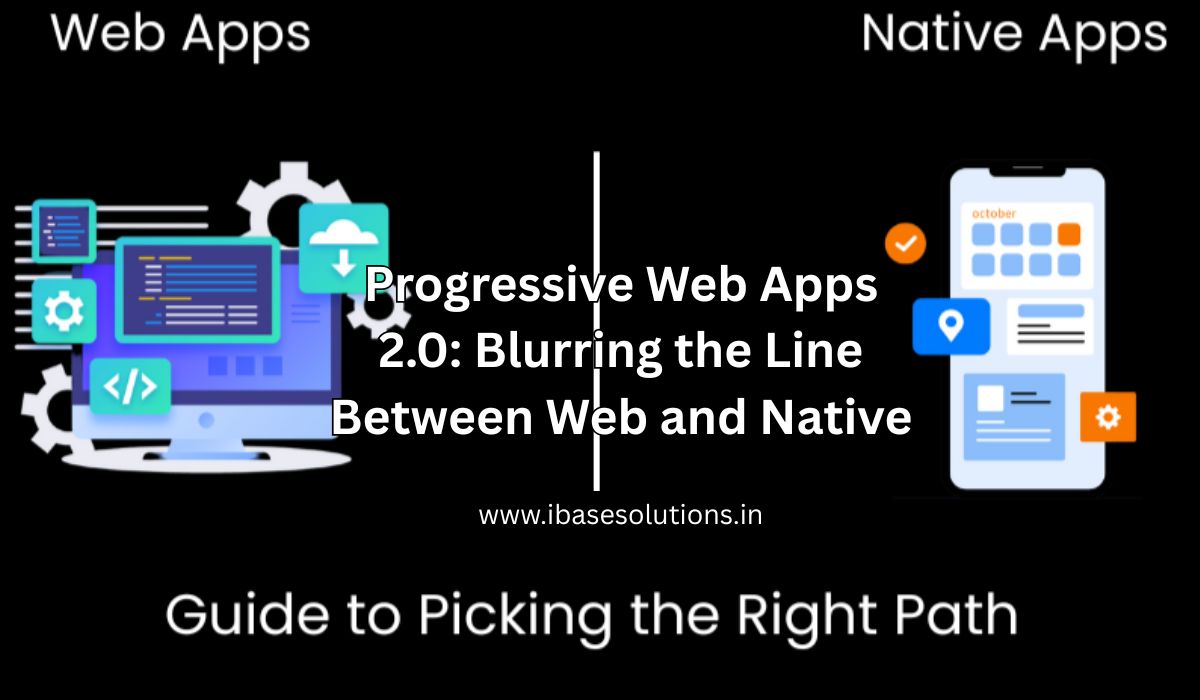

Progressive Web Apps 2.0: Blurring the Line Between Web and Native

Progressive Web Apps (PWAs) are no longer just a performance tweak; they are evolving into a full application strategy for many organisations. PWAs blend the reach of websites with native-like behaviours such as offline support, push notifications and installable icons, and recent industry analyses highlight them as one of the dominant web development trends through 2025.

The next generation of PWAs is building on newer browser capabilities: improved background sync, richer file-system access, payment APIs and tighter integration with platform app stores. Together, these features can turn a high-traffic website into a cross-platform product that behaves like a native app on mobile and desktop, without separate codebases.

For UI and UX teams, PWAs raise design questions around consistency across devices, offline state handling and user trust when a website asks to be “installed”. Clear messaging, transparent permissions and thoughtful offline UX patterns—like graceful fallbacks and sync indicators—will be essential. As more businesses adopt PWA-first strategies, users may increasingly treat the browser as an app hub rather than just a way to visit pages.

WebGPU and In-Browser AI: Turning the Browser Into a High-Performance Runtime

A key technology shaping the future of the web is WebGPU, a modern graphics and compute API that lets browsers talk more directly to the device’s GPU. It is designed as the successor to WebGL and is now available in major browsers, enabling high-performance rendering and general-purpose GPU computations directly in JavaScript and other languages.

For developers, WebGPU opens the door to advanced 3D interfaces, complex data visualisations and even on-device AI inference. Recent guidance for 2025 shows that frameworks can use WebGPU to run sizeable machine-learning models in-browser, improving speed and privacy by keeping data on the device.

From a UX perspective, this means richer experiences like real-time product configurators, immersive dashboards and interactive simulations without relying entirely on backend infrastructure. The main challenges will be managing energy use on mobile devices, handling fallback paths for older browsers and ensuring accessible experiences rather than purely “flashy” visuals. As support matures, WebGPU is expected to become a standard tool in performance-sensitive web applications, especially those that combine AI features with sophisticated visuals.

IT Sector Rallies as Indian Markets Lifted by Foreign Inflows and Technology Stocks

On 20 November 2025, Indian equity markets posted gains, with the S&P BSE Sensex climbing over 500 points and the NSE Nifty 50 rising 143 points to around 26,053, supported by strong performance in IT and banking stocks.

IT services firms, including Infosys, were among the top movers heading into the company’s large share-buyback announcement. The positive sentiment was underpinned by return of foreign institutional investment and improving global tech demand expectations.

For the IT sector, the rally may signal investor confidence in a rebound of digital-services demand, though risks remain from wage costs, offshore margins, and macro-headwinds globally. Analysts advise caution but note that valuations may be adjusting toward growth-orientation again.

Infosys Limited Launches ₹18,000 Crore Share Buyback; IT Sector Sentiment Boosted

Indian IT services heavyweight Infosys has begun its largest-ever share buyback programme, valued at approximately ₹18,000 crore, with the tender window opening on 20 November and closing 26 November 2025. 

The company plans to buy back up to 10 crore fully-paid equity shares at ₹1,800 per share (face value ₹5), amounting to about 2.41% of its paid-up equity capital. The move is part of a broader capital-return strategy and may improve per-share metrics for shareholders. 

Market commentary suggests the buyback has given the Indian IT-services segment a morale boost, especially as global tech demand and margin pressures become more uncertain. That said, investors will watch how service revenues grow, how wage inflation is managed, and how digital-transformation spending evolves for IT exporters.

✉ Chat via WhatsApp