
IT Sector Rallies as Indian Markets Lifted by Foreign Inflows and Technology Stocks

On 20 November 2025, Indian equity markets posted gains, with the S&P BSE Sensex climbing over 500 points and the NSE Nifty 50 rising 143 points to around 26,053, supported by strong performance in IT and banking stocks.

IT services firms, including Infosys, were among the top movers heading into the company’s large share-buyback announcement. The positive sentiment was underpinned by return of foreign institutional investment and improving global tech demand expectations.

For the IT sector, the rally may signal investor confidence in a rebound of digital-services demand, though risks remain from wage costs, offshore margins, and macro-headwinds globally. Analysts advise caution but note that valuations may be adjusting toward growth-orientation again.
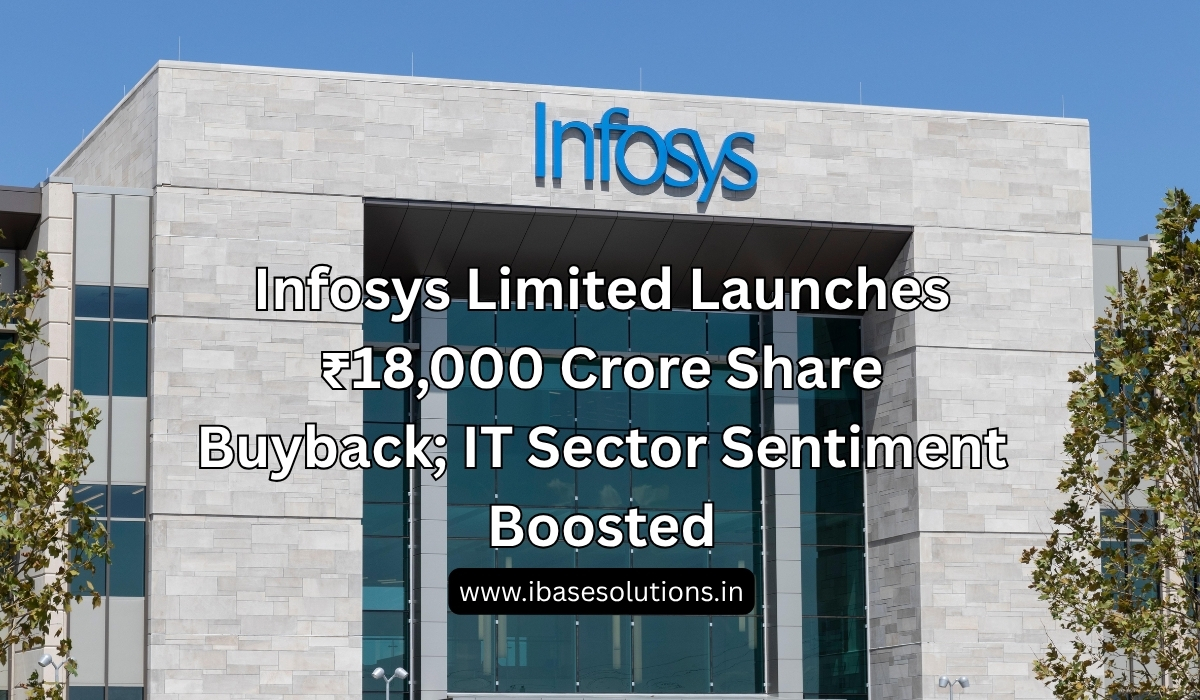

Infosys Limited Launches ₹18,000 Crore Share Buyback; IT Sector Sentiment Boosted

Indian IT services heavyweight Infosys has begun its largest-ever share buyback programme, valued at approximately ₹18,000 crore, with the tender window opening on 20 November and closing 26 November 2025. 

The company plans to buy back up to 10 crore fully-paid equity shares at ₹1,800 per share (face value ₹5), amounting to about 2.41% of its paid-up equity capital. The move is part of a broader capital-return strategy and may improve per-share metrics for shareholders. 

Market commentary suggests the buyback has given the Indian IT-services segment a morale boost, especially as global tech demand and margin pressures become more uncertain. That said, investors will watch how service revenues grow, how wage inflation is managed, and how digital-transformation spending evolves for IT exporters.

Reliance Jio Infocomm & Google Expand Gemini 3 AI Offer to All Unlimited 5G Users in India

Indian telecom giant Reliance Jio, in collaboration with Google, has announced that its free “Gemini Pro” AI offering—featuring Google’s latest AI model Gemini 3—will now be available to all unlimited 5G plan users in India.
The expansion moves beyond earlier pilot segments and reflects both telecom competition and tech-consumption trends where AI features on mobile devices are increasingly a differentiator. The integration is expected to enhance features like voice assistance, summarisation and smarter mobile workflows.
From a digital-marketing standpoint, the move signals that mainstream consumers in India are being targeted with high-end AI capabilities previously confined to enterprise or premium devices. However, questions remain about data-usage, privacy, model-updates and how differential experiences will be managed across device tiers and network conditions.

Luma AI Raises $900 Million, Valued at Over $4 Billion Amid AI Video Boom

U.S.–based generative video startup Luma AI has raised a $900 million funding round led by Saudi-backed HUMAIN (Public Investment Fund) and other investors, bringing its valuation to over $4 billion.

The company specialises in multimodal “world models” that generate video, image and audio content from prompts, aiming at use-cases in entertainment, advertising and robotics.
Part of the funding is earmarked for building a multi-gigawatt-scale AI compute infrastructure in Saudi Arabia (Project Halo), highlighting the growing geographic diversification of frontier-AI infrastructure.

For the broader IT sector, the round underscores the rising significance of video-centric generative AI and its impact on creative/production workflows, media supply chains and enterprise content generation. However, there are warnings around ethical use, copyright implications and compute-cost pressures.

Zoho Corporation Overhauls Zoho One with AI-Driven Workflow and UX Upgrades

Chennai-based enterprise software firm Zoho Corporation has rolled out a significant update to its flagship productivity suite, Zoho One. 

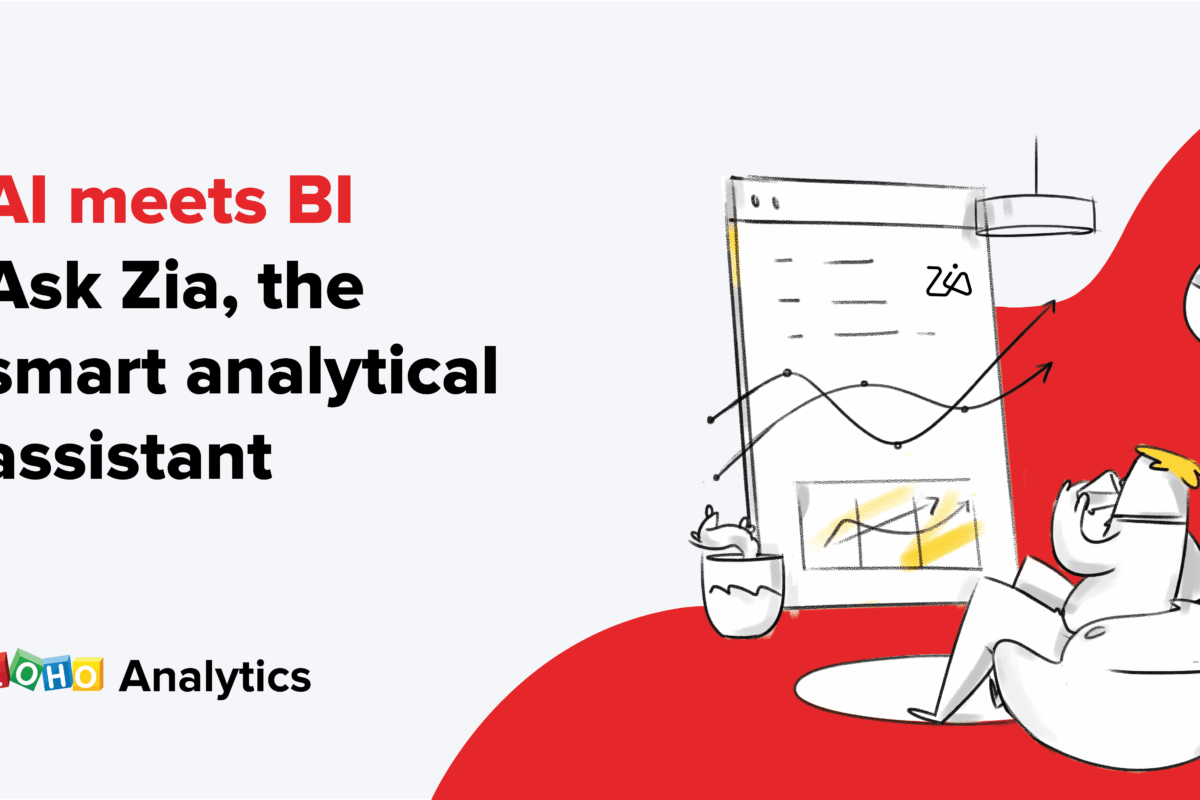
Key enhancements include the AI assistant Zia being embedded more deeply to aggregate data across Zoho and third-party apps, a redesigned user interface featuring “Spaces” (Personal, Organisation, Departments) and a unified portal for app integration. 
The company says these changes aim to reduce app-switching, unify workflow and strengthen security and governance for enterprises managing multiple business applications. The update comes at a time when global businesses are seeking tighter integration and AI-enhanced productivity tools.

For Indian and global firms using Zoho One, the new version may offer an alternative to piecemeal tool stacks—though the challenge remains around training, change management and ensuring custom workflows migrate smoothly.